.png)
The Importance of Performing Arts Education Explained
- MSHarjai Studios
- Dec 15, 2025
- 3 min read

Performing arts education plays a vital role in shaping individuals and communities. It goes beyond teaching students how to sing, dance, or act; it fosters creativity, critical thinking, and emotional intelligence. In today’s fast-paced world, where technology dominates much of our lives, the performing arts offer a unique way to connect with others and express oneself. This article explores why performing arts education is essential, how it benefits learners, and practical ways to support and engage with it.
What Is Performing Arts Education Explained?
Performing arts education involves teaching and learning disciplines such as music, dance, theater, and sometimes even digital performance arts. It is a structured approach to developing skills in these areas, often integrated into school curriculums or offered through specialized programs and workshops.
Performing arts education explained means understanding its scope and impact. It is not just about mastering techniques but also about developing confidence, teamwork, and communication skills. For example, a student participating in a school play learns how to collaborate with peers, manage stage fright, and interpret a character’s emotions. These experiences translate into valuable life skills.
Benefits of Performing Arts Education
Enhances Creativity: Students learn to think outside the box and express original ideas.
Improves Communication: Performing arts require clear expression, both verbal and non-verbal.
Builds Confidence: Performing in front of an audience helps overcome fear and builds self-esteem.
Encourages Discipline: Regular practice and rehearsal teach commitment and time management.
Fosters Empathy: Understanding different roles and stories promotes emotional intelligence.

Caption: A theater stage ready for a student performance.
How Performing Arts Education Shapes Personal Development
Performing arts education is a powerful tool for personal growth. It encourages students to explore their identities and emotions in a safe environment. For instance, through acting, students can step into different characters’ shoes, gaining new perspectives on life and society. This process nurtures empathy and social awareness.
Moreover, performing arts help develop resilience. Learning a new dance routine or musical piece requires patience and persistence. When students face challenges, such as forgetting lines or missing a beat, they learn to adapt and keep going. These lessons are invaluable beyond the classroom.
Parents and educators can support this development by:
Encouraging participation in school or community arts programs.
Providing access to resources like instruments, costumes, or rehearsal spaces.
Celebrating small achievements to boost motivation.
The Role of Performing Arts in Academic Success
Research shows that students involved in performing arts often perform better academically. The skills gained through arts education, such as focus, memory, and problem-solving, contribute to success in other subjects. For example, learning music can improve mathematical abilities due to the understanding of rhythm and patterns.
Additionally, performing arts education explained includes its impact on literacy. Theater and drama activities enhance reading comprehension and vocabulary by engaging students with scripts and storytelling. This holistic approach to learning supports diverse learning styles and keeps students engaged.
Schools can integrate performing arts by:
Including arts-based projects in core subjects.
Offering after-school clubs focused on music, dance, or drama.
Partnering with local arts organizations for workshops and performances.
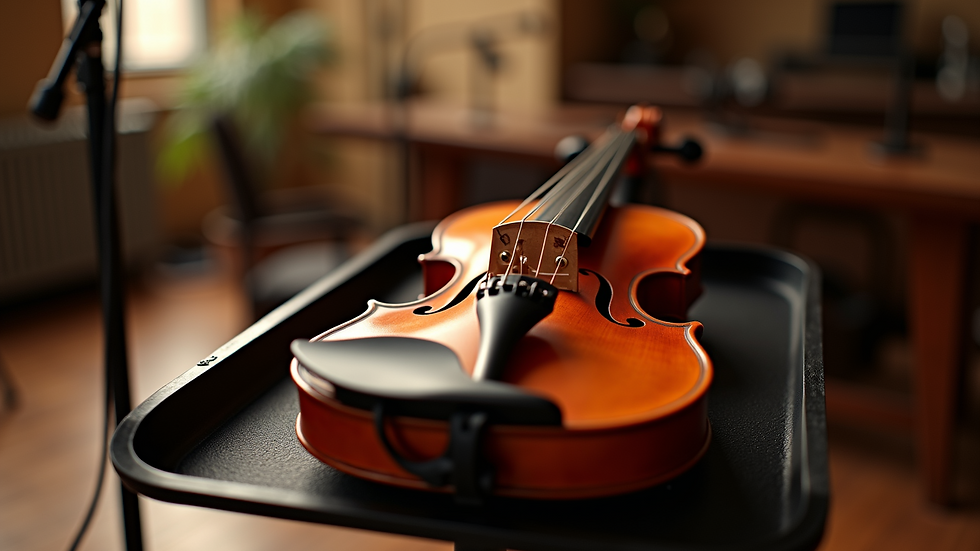
Caption: A violin ready for a student music rehearsal.
Practical Ways to Support Performing Arts Education
Supporting performing arts education requires community involvement and advocacy. Here are actionable recommendations:
Advocate for Funding: Encourage local governments and school boards to allocate budgets for arts programs.
Volunteer: Offer time to help organize events, assist in rehearsals, or manage equipment.
Attend Performances: Show support by attending school plays, concerts, and dance recitals.
Promote Awareness: Share the benefits of performing arts education with friends, family, and social networks.
Provide Resources: Donate instruments, costumes, or materials to schools or community centers.
By taking these steps, communities can ensure that performing arts education remains accessible and vibrant.
The Future of Performing Arts Education
As technology evolves, so does the landscape of performing arts education. Digital tools and virtual platforms are expanding opportunities for learning and performance. For example, students can now participate in online theater productions or use apps to compose music.
However, the core values of performing arts education remain the same: fostering creativity, collaboration, and self-expression. Embracing new methods while preserving traditional practices will help keep the arts relevant and engaging for future generations.
Investing in performing arts education is investing in a well-rounded, empathetic, and innovative society. It is a vital part of education that deserves attention and support.
Performing arts education explained is more than just an academic subject; it is a gateway to personal and social development. By understanding its importance and actively supporting it, we can help nurture the talents and skills that will shape tomorrow’s leaders and creators.


Comments